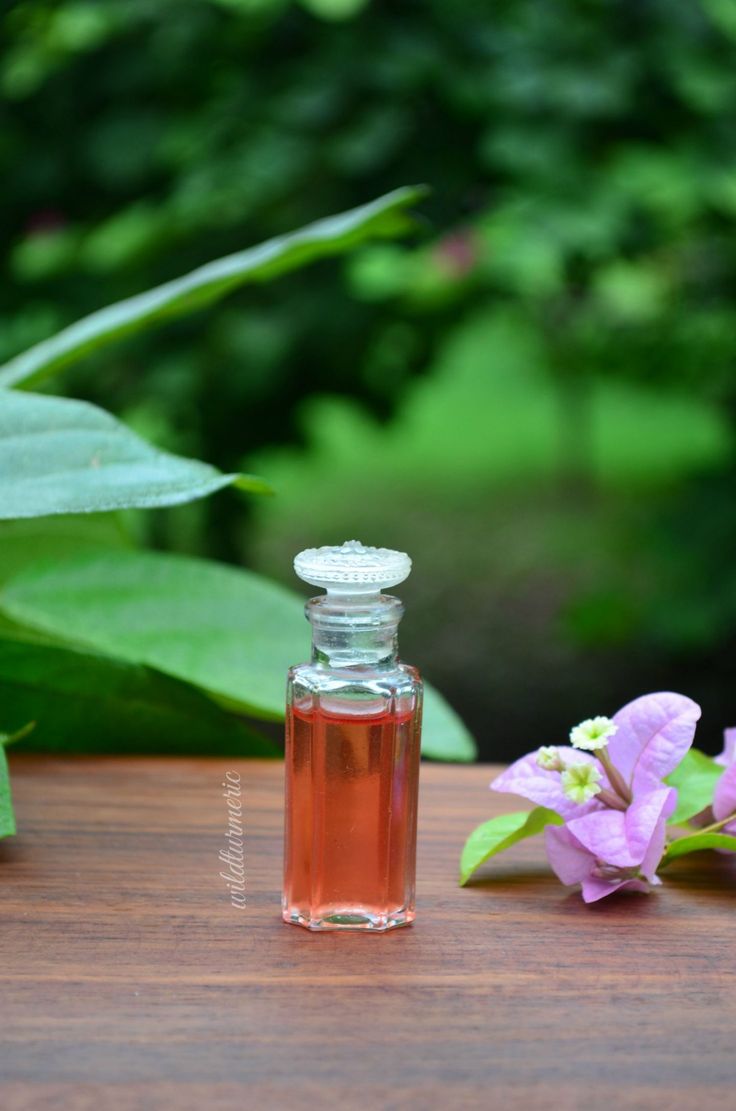
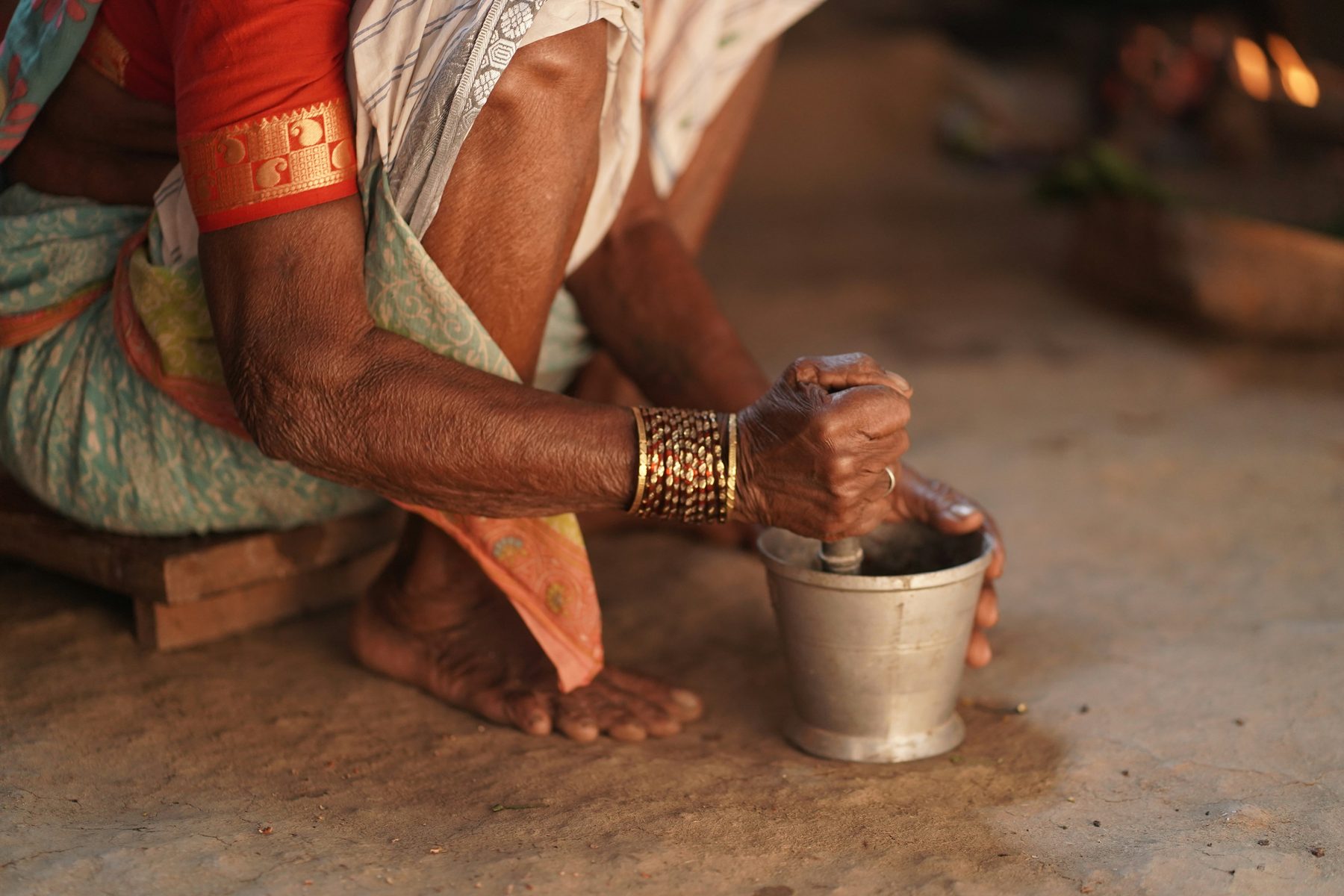
Before dry shampoo, before salon treatments, before the entire modern hair-care industry existed — there was a grandmother with warm oil and patient hands. The Sunday champi. The ritual that somehow survived industrialisation, urbanisation, and a century of foreign influence, passed quietly from mother to daughter in every corner of the subcontinent.
It is not nostalgia. It is science.
What the Texts Say
The Charaka Samhita — one of the foundational classical texts of Ayurveda, composed around 300 BCE — dedicates significant attention to shiro abhyanga: head oiling. The text is specific in a way that feels almost modern. It prescribes warm oil applied to the scalp and worked in with steady, circular pressure at specific marma points — energy intersections believed to govern circulation and nervous function.
"Abhyangam acharathi nityam" — perform oil massage daily — writes Vagbhata in the Ashtanga Hridayam. The great physician was not prescribing indulgence. He was prescribing preventive medicine. The head massage was understood to strengthen hair roots, prevent premature greying, improve sleep quality, and calm the nervous system — all through a single, daily act.
Modern research is arriving at the same conclusions, one study at a time. A 2016 study in the journal ePlasty found that standardised scalp massage increased hair thickness. Japanese researchers have documented the mechanisms. What Ayurveda encoded in practice, biochemistry is only now explaining in mechanism.
The Plants Behind the Ritual
The champi is not oil alone. Classical prescriptions specify which herbs should be present in the oil — and why.
Amalaki (Amla) — āmalakī in Sanskrit, meaning "the nurse" — is among the richest natural sources of Vitamin C of any fruit. In the Charaka Samhita, it appears repeatedly in hair formulations, prescribed for vata conditions that cause dryness, breakage, and thinning. Cold-pressed amla oil retains its tannins, which form a protective coating around the hair shaft.
Bhringraj (bhṛṅgarāja, "ruler of hair") has been called the king of Ayurvedic hair herbs. Classical texts link it specifically to preventing premature greying and stimulating dormant follicles. Modern studies have isolated eclipta alkaloids that show measurable effects on hair growth cycles.
Brahmi (brāhmī) was prescribed in classical texts primarily for cognitive function — but its benefits for scalp health arise from the same mechanisms. Its adaptogenic properties calm the nervous system that serves the scalp, and its cooling effect pacifies pitta-driven inflammation that causes follicle damage.
The Ritual, Done Properly
The classical method is distinct from a simple application. The oil is warmed first — classical texts specify body temperature, not scalding — until the aromatic components are activated and the viscosity drops. Applied in small amounts and worked into the scalp with firm, circular pressure at the crown, hairline, and base of skull. Left for a minimum of one muhurta — approximately 48 minutes — or overnight.
The key distinction between a champi and a casual hair mask is time. The classical prescription allows for full absorption into the hair shaft and dermal layer. The immediate wash-out of modern oil treatments misses most of the benefit.
The Sunday ritual existed because Sunday allowed time. An hour before washing. A cloth wrapped to prevent dissipation. A rest. That specific sequence — not the oil itself — is what the grandmother knew.
Why It Survived
Every civilisation develops cosmetic practices. Most are abandoned as science advances. The champi survived not because it was cultural habit, but because it worked — observably, consistently, across ten generations of use. The grandmother who kept doing it despite the arriving shampoo bottles and salon appointments was not being sentimental. She was being empirical.
Ayurveda calls this kind of knowledge parampara — lineage, tradition. Knowledge that survives not because it was written down, but because it was practiced. The Sunday champi is parampara that you can hold in a bottle and feel with your hands every week.